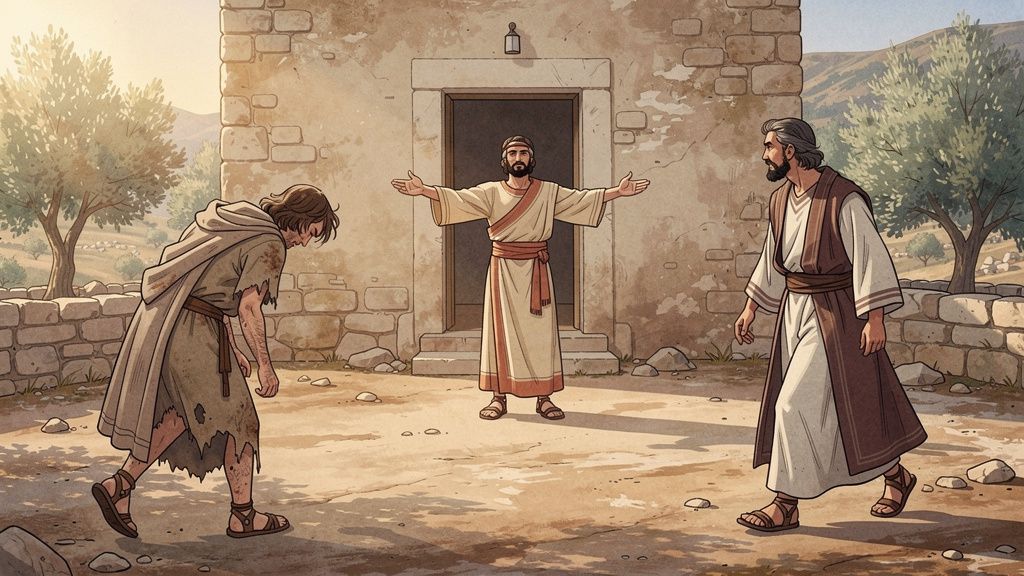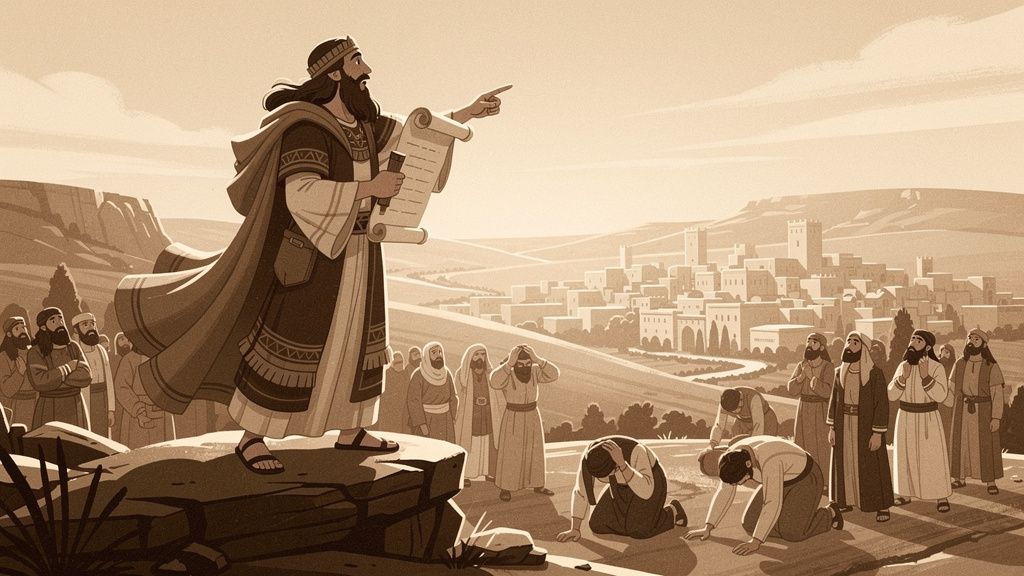
The Old Testament prophets stand as towering figures in Scripture, fearlessly proclaiming God's word to rebellious nations and wayward people. While their immediate audience was ancient Israel and Judah, their messages transcend time and culture, speaking with remarkable relevance to believers today. As we study these faithful messengers, we discover that their calls for justice, repentance, and covenant faithfulness echo powerfully in our contemporary Christian walk.
Understanding the Prophetic Office
The Hebrew word nabi (prophet) means "one who is called" or "spokesman." The prophets served as God's mouthpieces, delivering His divine revelation to His people. They were not fortune-tellers or mystics, but covenant messengers who called Israel back to faithfulness to Yahweh.
"Surely the Lord GOD does nothing without revealing his secret to his servants the prophets" (Amos 3:7, ESV).
The prophets functioned as prosecutors in God's covenant lawsuit against His people, witnesses to His character, and heralds of both judgment and hope. Their ministry was fundamentally pastoral—designed to bring God's people back to Him through repentance and faith.
Major Prophetic Themes That Speak Today
1. The Call to Justice and Righteousness
The prophets consistently condemned social injustice, exploitation of the poor, and corruption among leaders. Isaiah thundered against those who "call evil good and good evil" (Isaiah 5:20), while Micah famously declared what God requires: "to do justice, and to love kindness, and to walk humbly with your God" (Micah 6:8).
Relevance Today: In our modern context, believers are called to be voices for justice in society. This means standing against racism, defending the unborn, caring for the marginalized, and opposing all forms of exploitation. The prophetic call to justice challenges comfortable Christianity and demands active engagement with societal issues from a biblical worldview.
2. True Worship vs. Religious Formalism
Many prophets confronted the people's empty ritualism—going through religious motions while their hearts remained far from God. Isaiah conveyed God's disgust with meaningless ceremonies: "I cannot endure iniquity and solemn assembly" (Isaiah 1:13).
Relevance Today: This message confronts modern believers who might substitute church attendance and religious activities for genuine heart transformation. True worship involves both proper form and sincere devotion. God desires worshipers who worship "in spirit and truth" (John 4:24), not merely those who perform religious duties.
3. The Sovereignty of God in History
The prophets proclaimed that God controls history and uses even pagan nations to accomplish His purposes. Habakkuk struggled with God using wicked Babylon to judge Judah, ultimately learning to trust in God's perfect timing and justice.
Relevance Today: In times of political upheaval, natural disasters, and global crises, believers can find comfort in the prophetic teaching that God remains sovereign. He works through all circumstances—even apparent chaos—to accomplish His redemptive purposes. This truth provides stability in uncertain times.
4. The Promise of Restoration and Hope
Despite messages of judgment, the prophets consistently proclaimed hope for those who repent. They spoke of a coming Messiah who would establish God's kingdom and restore His people.
Relevance Today: These messianic prophecies find their fulfillment in Jesus Christ, providing believers with ultimate hope. Even in the darkest circumstances, Christians can trust in God's promises of restoration and eternal kingdom.
Specific Prophetic Messages for Modern Application
Jeremiah: Authentic Faith in Difficult Times
Jeremiah, the "weeping prophet," ministered during Judah's darkest hour before the Babylonian exile. His message of perseverance through suffering and maintaining faith during judgment speaks powerfully to believers facing persecution or hardship.
His call to "seek the welfare of the city where I have sent you into exile" (Jeremiah 29:7) challenges modern Christians to be productive, contributing members of society even when cultural values conflict with biblical principles.
Hosea: God's Steadfast Love
Hosea's marriage to unfaithful Gomer illustrated Israel's spiritual adultery and God's pursuing love. This prophetic metaphor reveals God's character as the faithful covenant-keeper who continues loving despite betrayal.
For today's believers, Hosea's message offers hope for restoration after spiritual failure and demonstrates God's incredible patience with His people.
Malachi: Wholehearted Devotion
Malachi confronted post-exilic Israel's spiritual complacency, challenging their half-hearted worship and unfaithful tithing. His message calls believers to examine whether they're giving God their best or merely their leftovers.
Applying Prophetic Truth Today
1. Cultivate Social Justice
Follow the prophetic call to "let justice roll down like waters" (Amos 5:24) by actively working for biblical justice in your community. This might involve supporting pro-life initiatives, helping the poor, or speaking against corruption.
2. Examine Your Heart
Use the prophetic mirror to examine whether your worship is genuine or merely formal. Ask yourself: Does my faith affect my daily choices, relationships, and priorities?
3. Trust God's Sovereignty
When facing uncertainty, remember the prophetic teaching about God's control over history. He works through all circumstances for His glory and His people's good (Romans 8:28).
4. Share the Gospel
The prophets pointed forward to Christ. As believers, we point others to the fulfillment of prophetic promises in Jesus, sharing the good news of salvation through Him alone.
Christ: The Ultimate Prophet
The prophets found their ultimate fulfillment in Jesus Christ, who declared, "Today this Scripture has been fulfilled in your hearing" (Luke 4:21). As the Prophet greater than Moses (Deuteronomy 18:15), Christ perfectly revealed God's character and accomplished the salvation the prophets foretold.
Conclusion
The prophets' messages remain startlingly relevant because human nature and God's character remain unchanged. Their calls to justice, authentic worship, trust in God's sovereignty, and hope in His promises speak directly to contemporary believers. As we study these faithful messengers, we're challenged to live as prophetic voices in our generation—proclaiming God's truth, demonstrating His love, and pointing others to Jesus Christ.
Let us heed the prophetic call to "prepare the way of the Lord" (Isaiah 40:3) in our own hearts and communities, living as faithful covenant people until Christ's return.