The Great Commission isn't merely a suggestion for the spiritually gifted—it's a command for every believer. Jesus declared, "Go therefore and make disciples of all nations" (Matthew 28:19), yet many Christians find themselves paralyzed by fear when it comes to personal evangelism. How can we overcome this reluctance and share the Gospel with biblical courage?
Understanding Our Commission
The Foundation of Our Calling
Personal evangelism flows from the heart of God's redemptive plan. Before ascending to heaven, Christ commissioned His disciples to be His witnesses "in Jerusalem and in all Judea and Samaria, and to the end of the earth" (Acts 1:8). This wasn't limited to the apostles—it extends to every believer who has experienced God's saving grace.
The Gospel itself provides both the motivation and the message for evangelism. Paul reminds us that "faith comes from hearing, and hearing through the word of Christ" (Romans 10:17). We share because the Gospel has the power to transform hearts and save souls.
The Urgency of the Message
Understanding the eternal weight of our message should compel us to action. People without Christ face eternal separation from God (2 Thessalonians 1:9). This sobering reality motivated Paul to declare, "Woe to me if I do not preach the gospel!" (1 Corinthians 9:16).
Overcoming Fear Through Faith
Identifying Common Fears
Many believers hesitate to share the Gospel due to several common fears:
- Fear of rejection or ridicule
- Fear of not knowing enough Scripture
- Fear of asking uncomfortable questions
- Fear of damaging relationships
- Fear of inadequate biblical knowledge
Biblical Responses to Fear
Scripture provides abundant encouragement for fearful evangelists. God told Joshua to "be strong and courageous" (Joshua 1:9), and this same divine strength is available to us today.
Paul himself acknowledged fear but found courage in God's power. He wrote to the Corinthians, "I was with you in weakness and in fear and much trembling, and my speech and my message were not in plausible words of wisdom, but in demonstration of the Spirit and of power" (1 Corinthians 2:3-4).
Remember that conviction of sin and regeneration are works of the Holy Spirit, not results of our eloquence. Our responsibility is faithful proclamation; God's responsibility is the results.
Practical Principles for Courageous Evangelism
Start with Prayer
Effective evangelism begins in prayer. Pray for:
- Open doors and divine appointments
- Boldness to speak (Ephesians 6:19)
- Hearts prepared by the Holy Spirit
- Wisdom in conversations
- Protection from the enemy's schemes
Know the Gospel Clearly
Courage comes from confidence in our message. Be prepared to explain:
- Man's sinful condition and need for salvation (Romans 3:23)
- God's holy character and righteous judgment (Romans 6:23)
- Christ's substitutionary atonement (Romans 5:8)
- The necessity of faith and repentance (Acts 17:30-31)
- Assurance of salvation through Christ alone (John 14:6)
Live the Gospel Authentically
Peter instructs believers to "honor Christ the Lord as holy, always being prepared to make a defense to anyone who asks you for a reason for the hope that is in you; yet do it with gentleness and respect" (1 Peter 3:15). Our lives should provoke curiosity about our hope in Christ.
Authentic Christian living creates natural opportunities for Gospel conversations. When others observe joy in trials, peace in chaos, or love for enemies, they often ask questions that open doors for sharing.
Practical Methods for Personal Evangelism
Relationship-Based Evangelism
Building genuine relationships creates the best context for Gospel sharing. This approach:
- Demonstrates Christ's love practically
- Provides opportunities for ongoing conversations
- Allows for follow-up discipleship
- Reduces defensiveness in hearers
Question-Based Evangelism
Jesus often used questions in His evangelistic encounters. Consider asking:
- "What do you think happens after we die?"
- "Have you ever wondered about the meaning of life?"
- "What's your spiritual background?"
- "Would you be interested in hearing how I found peace with God?"
Story-Based Evangelism
Personal testimonies carry unique power. Everyone has a story of God's grace. Prepare to share:
- Your life before Christ
- How you encountered the Gospel
- The difference Christ has made
- The hope you now possess
Addressing Common Challenges
When People Reject the Message
Remember that rejection of the Gospel isn't personal rejection of you. Jesus warned that the world would hate His followers (John 15:18-19). Rejection often indicates that the Holy Spirit is working, making people uncomfortable with their sin.
Continue showing love and respect. Leave the door open for future conversations. Some people need to hear the Gospel multiple times before responding.
When You Don't Know the Answer
It's perfectly acceptable to say, "I don't know, but I'll find out and get back to you." This demonstrates honesty and provides opportunity for follow-up conversations.
When Conversations Become Argumentative
Focus on the Gospel rather than secondary issues. Avoid debates about evolution, politics, or other controversial topics that distract from the central message of salvation.
The Role of the Church in Personal Evangelism
Corporate Support and Training
Local churches should equip members for evangelism through:
- Regular training in Gospel presentation
- Prayer support for evangelistic efforts
- Opportunities to practice and share experiences
- Biblical teaching on evangelism
Accountability and Encouragement
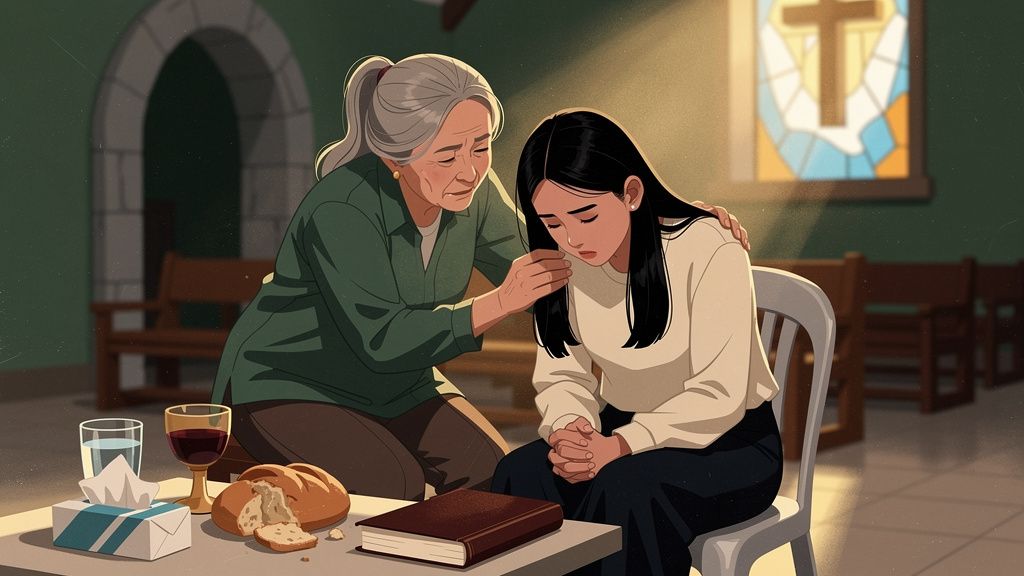
Fellow believers provide essential encouragement for evangelistic efforts. Share prayer requests, celebrate Gospel conversations, and learn from others' experiences.
Walking in Gospel Courage
Personal evangelism requires dependence on God's strength rather than our own abilities. The same Spirit who raised Christ from the dead dwells in every believer, providing supernatural courage for Gospel proclamation.
Start where you are with whom you know. Ask God for one opportunity this week to share the Gospel naturally in conversation. Remember that successful evangelism isn't measured by immediate conversions but by faithful proclamation.
The Gospel is "the power of God for salvation to everyone who believes" (Romans 1:16). Trust in this divine power, step out in faith, and watch God work through your courageous witness.
As we share the Gospel with biblical courage, we participate in God's eternal plan of redemption. What greater privilege could we have than being ambassadors for Christ, proclaiming the message that can transform lives and secure eternal destinies?