The Prophet Who Ran From Mercy
In the bustling streets of Jakarta, where image and reputation often matter more than genuine compassion, the ancient story of Jonah feels remarkably contemporary. This reluctant prophet's journey reveals a troubling truth about the human heart - we can become so concerned with being right that we lose sight of what truly matters: mercy.
The book of Jonah is not primarily about a man and a whale. It's about a God of infinite compassion confronting our finite capacity for love. And for those of us living in Indonesia's capital city, surrounded by millions of people from different backgrounds, ethnicities, and beliefs, Jonah's struggle hits particularly close to home.
Running From God's Radical Compassion
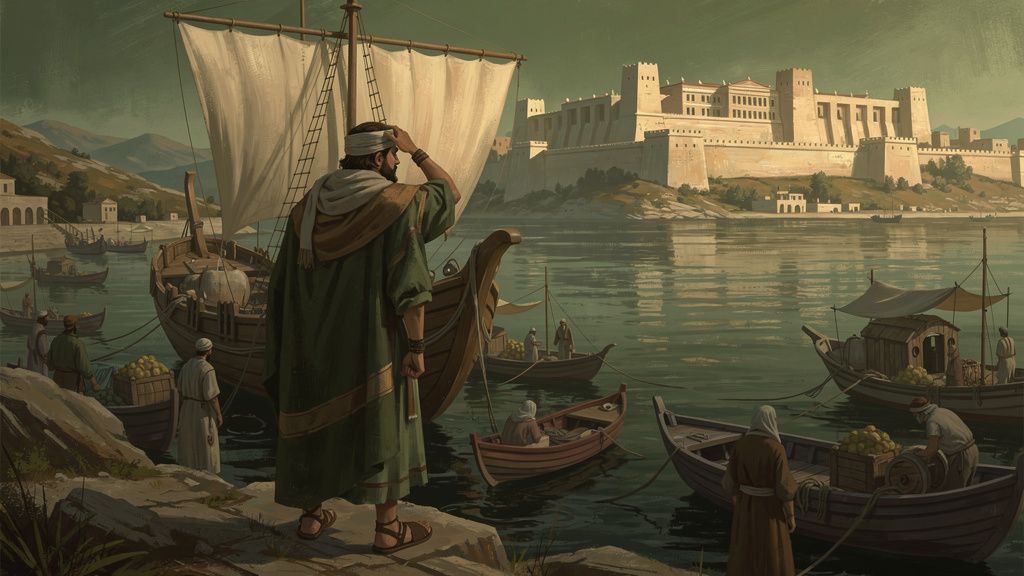
When God called Jonah to preach to Nineveh, he wasn't just asking him to visit another city. Nineveh was the capital of Assyria - Israel's most brutal enemy. These were the people who had terrorized Israel, who represented everything Jonah despised. God's command was equivalent to asking a modern Indonesian Christian to show love to those who have caused the deepest wounds.
Jonah's response? He ran. Not because he feared failure, but because he feared success. He knew God's character too well - he knew that if Nineveh repented, God would forgive them (Jonah 4:2). And that terrified him more than any storm or sea creature.
This reveals something profound about our own hearts. How often do we, living in a diverse city like Jakarta, secretly hope that those we disagree with will remain unchanged? How often does our desire to be vindicated override our desire for others to experience God's grace?
The Idolatry of Being Right
After Jonah reluctantly preached and Nineveh repented, we might expect a celebration. Instead, Jonah became "greatly displeased and angry" (Jonah 4:1). His reputation as a prophet was intact - his prediction of judgment came true in a way, as the city died to its old ways. But his heart revealed something darker.
Jonah had made an idol of his own righteousness. He cared more about maintaining his position as the faithful Israelite than about 120,000 people experiencing salvation. In our modern context, this translates to caring more about being right in our political views, our theological positions, or our social standings than about the actual welfare of others.
Consider how this plays out in Jakarta's competitive environment. In our workplaces, we might secretly hope a difficult colleague fails rather than succeeds. In our neighborhoods, we might prefer to maintain our sense of moral superiority rather than extend genuine help to those we consider "different" or "undeserving."
The Plant and the City
God's final lesson to Jonah comes through a plant that provided shade and then withered. Jonah mourned the plant but not the potential destruction of Nineveh's people. God's response cuts to the heart: "You cared about the plant... Should I not care about Nineveh, with its 120,000 people?" (Jonah 4:10-11).
This is where the gospel confronts our selective compassion. We care about things that benefit us - our comfort, our reputation, our tribe. But God's heart extends to all people, even those we consider enemies or outsiders.
For a church like GKBJ Taman Kencana, which has served Jakarta's diverse community since 1952, this message is particularly relevant. Our city is home to people from hundreds of ethnic groups, various economic backgrounds, and different belief systems. The question Jonah forces us to ask is: Do we genuinely care about all of Jakarta's people, or only those who look, think, and act like us?
The Gospel Jonah Couldn't See
Here's what makes this story so powerful: Jonah represents all of us. We are all reluctant prophets, more concerned with our own vindication than with God's mercy toward others. But where Jonah failed, Jesus succeeded.
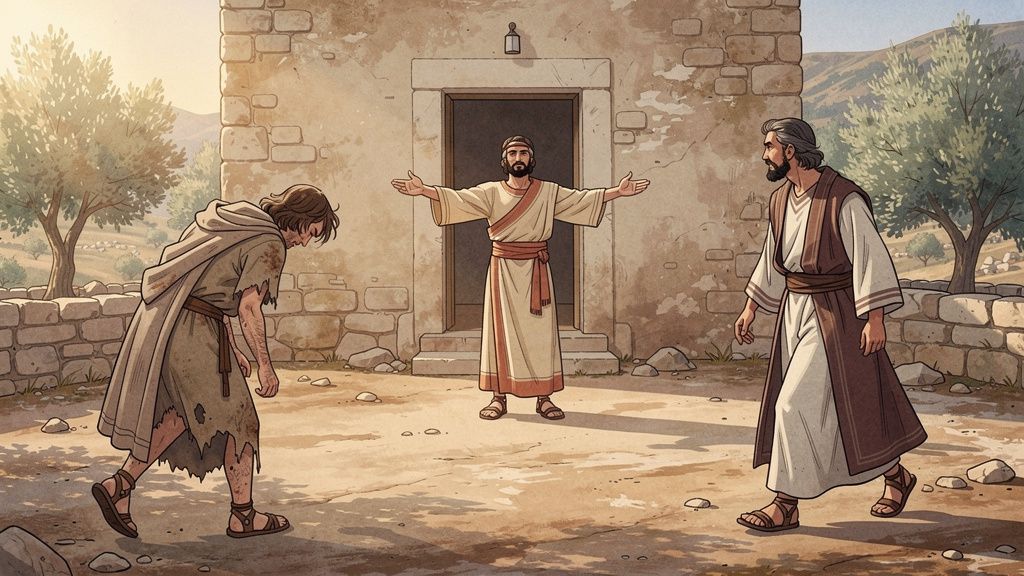
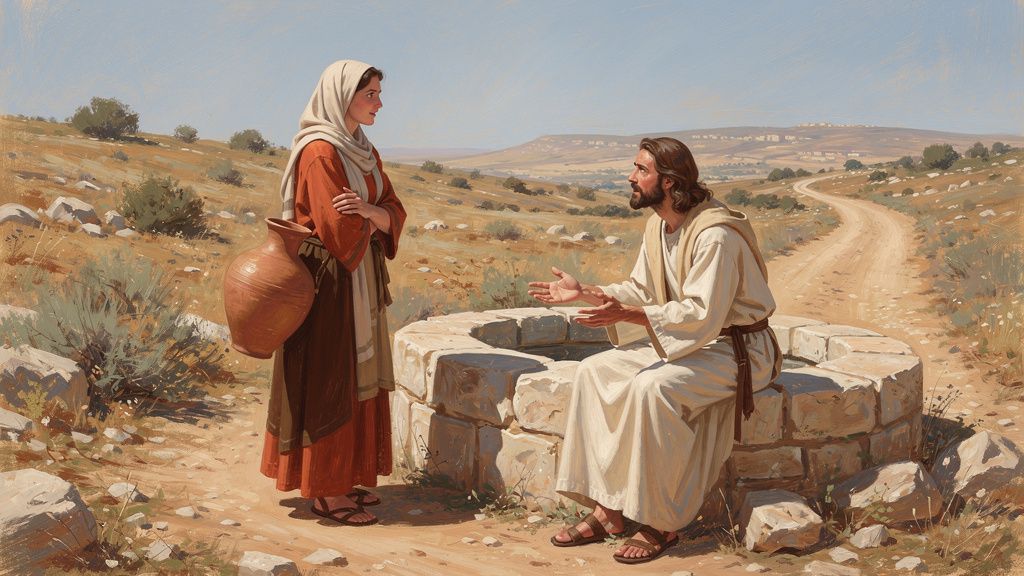
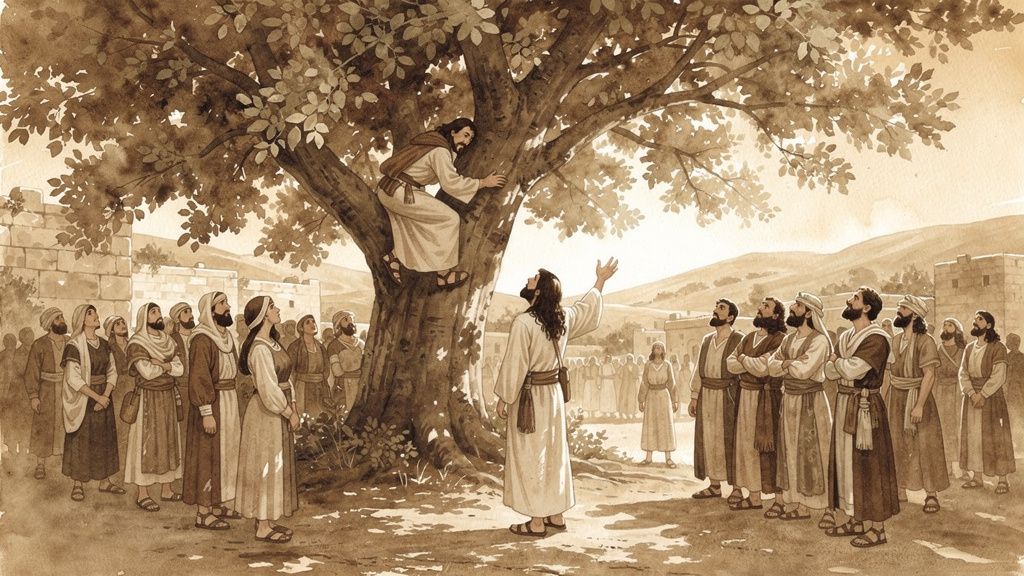
Jesus didn't run from his mission to seek and save the lost. He didn't become angry when tax collectors and sinners repented. Instead, he welcomed them, ate with them, and celebrated their return to the Father. Jesus embodied the compassion that Jonah struggled to show.
The gospel tells us that while we were still enemies of God - like Nineveh to Jonah - Christ died for us (Romans 5:8). The very mercy Jonah withheld from Nineveh, God extends to us through Jesus. This should transform how we view others, even those we consider our "enemies" or those whose lifestyles we disagree with.
Living With Nineveh Hearts in Jakarta
The story of Jonah challenges us to examine our hearts. In a city where social media amplifies our tendency to take sides and judge others, we must ask: Are we more concerned with being right or with showing love? Do we hope for the transformation of those we disagree with, or do we secretly prefer their continued opposition so we can maintain our sense of moral superiority?
True compassion - the kind God showed to Nineveh through Jonah's reluctant preaching, and the kind he shows us through Christ - doesn't depend on whether people deserve it. It flows from understanding our own desperate need for grace.
As members of the Christian community in West Jakarta, we're called to be different. We're called to show the kind of radical, illogical, beautiful compassion that God showed to Nineveh - and continues to show to us. This might mean extending genuine care to neighbors from different backgrounds, showing grace to difficult colleagues, or praying for rather than against those with whom we disagree politically or socially.
The Call to Compassion
The book of Jonah ends without resolution - we never learn if Jonah embraced God's heart for Nineveh. That's because the story continues with us. Every day, we choose between reputation and compassion, between being right and showing love.
The gospel frees us from the need to maintain our reputation through others' failures. Because Christ has secured our standing before God, we can afford to hope for others' success, to celebrate their transformation, and to work toward their flourishing - even when they're different from us.
In Jakarta's complex social landscape, this kind of compassion becomes a powerful witness to the transforming power of the gospel. It shows a watching world that Christianity isn't about moral superiority but about receiving and extending the radical love of God.
For deeper exploration of these themes, we invite you to join our regular Bible studies where we wrestle with these challenging questions together. Understanding what we believe about God's character can help us develop the kind of heart that cares more about mercy than reputation.
The question isn't whether you're like Jonah - we all are. The question is whether you'll allow God's incredible compassion toward you to transform your compassion toward others. In a city of millions, that kind of love can change everything.