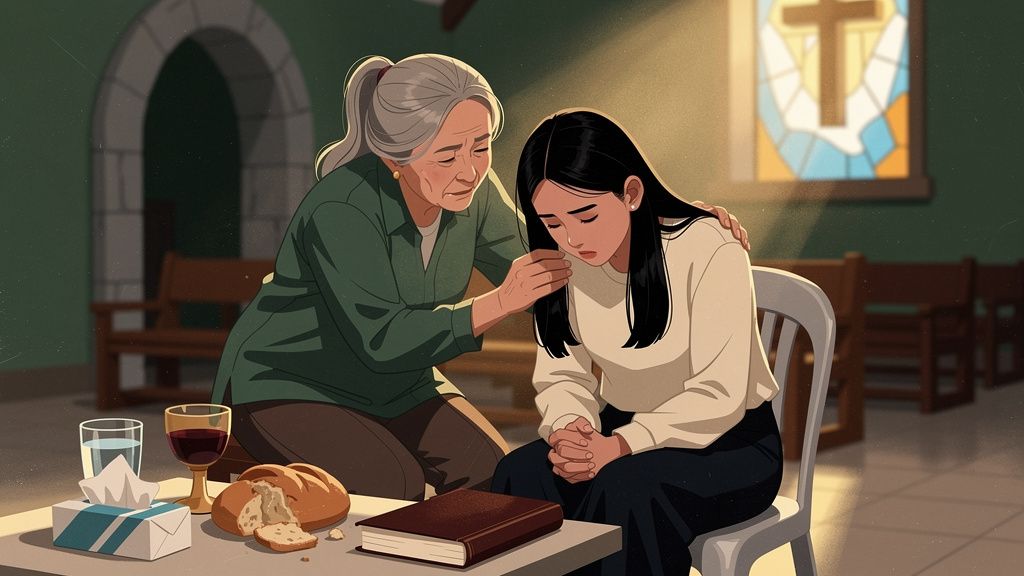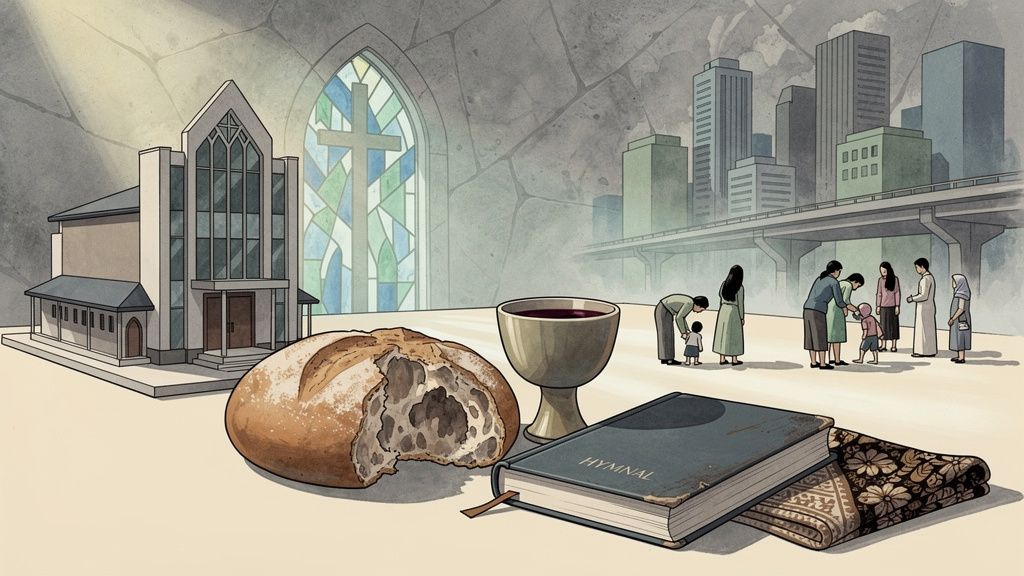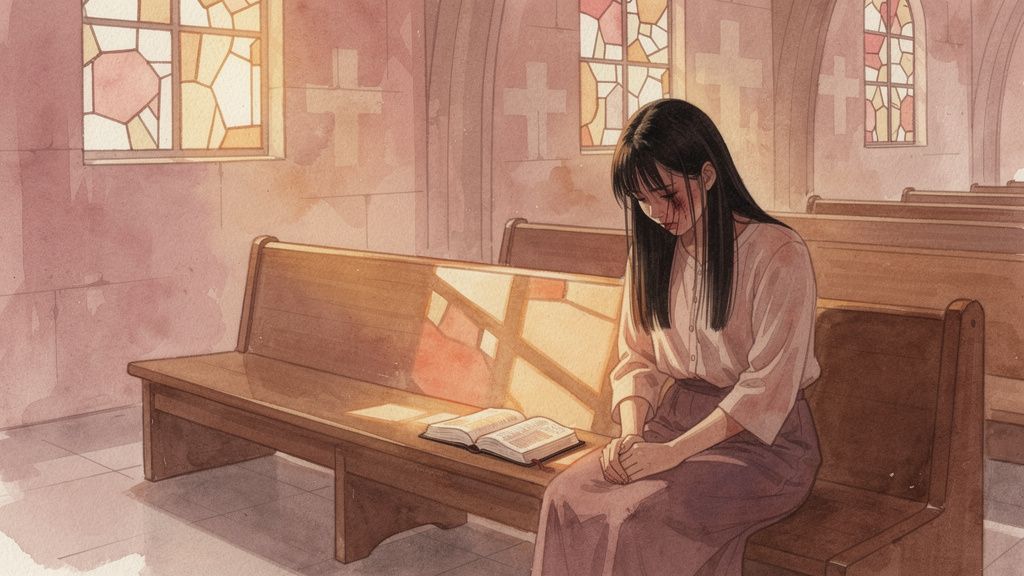
Amidst the hustle and bustle of Jakarta, the church should be an oasis—a place where we find peace that the world cannot give. Yet the reality is that churches often become places where we experience our deepest wounds. Why is this so? Because when people we trust as fellow believers disappoint us, the pain is multiplied.
Why Do Church Conflicts Feel More Painful?
Church conflicts differ from workplace or other social conflicts. When colleagues betray us, we can still say, "Well, that's just the harsh reality of the world." But when fellow Christians hurt us, there's a deeper sense of betrayal. We wonder: "Aren't we both following Jesus? How could they do this?"
This is the paradox of faith communities: the place that should be safest can become the most emotionally dangerous. Why? Because this is where we open our hearts most deeply, hoping to find unconditional love.
The Hard Truth to Accept: Churches Are Made Up of Sinners
Timothy Keller once said that if you find a perfect church, don't join it—because you'll ruin it. This isn't cynicism, but biblical realism. The church is not a gathering of perfect saints, but a spiritual hospital for sinners in the process of healing.
In Jakarta, we live under high pressure—work deadlines, traffic jams, expensive living costs. This stress doesn't magically disappear when we enter the church building. We bring our entire life burdens, including our sinful tendencies, into the faith community.
Paul reminds the Galatian church: "Brothers and sisters, if someone is caught in a sin, you who live by the Spirit should restore that person gently. But watch yourselves, or you also may be tempted" (Galatians 6:1). Paul doesn't say "if" but "when"—as if conflict is a certainty, not a possibility.
The Gospel Transforms How We View Conflict
This is what distinguishes the Christian approach to conflict: we don't resolve it by becoming morally better, but by understanding more deeply the love of God we've already received.
1. Conflict Reveals Our Need for Grace
When someone in church hurts us, our natural reaction is anger and desire for revenge. But the Gospel says: "Wait. Before you point at others, remember how many times you've disappointed God, and He still loves you."
This doesn't mean we ignore others' mistakes. But we realize we're all in the same boat—all needing God's grace every day.
2. Conflict Becomes an Opportunity to Display Christ's Character
In Jakarta's harsh business world, revenge might be considered normal. But as a Christian community, we're called to respond differently. When someone wrongs us, we have the opportunity to show what it looks like to forgive as Christ forgave us.
This doesn't mean becoming a doormat or ignoring justice. Rather, it means our primary motivation isn't self-protection or revenge, but the restoration of relationships and the glory of God.
3. Conflict Tests the Authenticity of Our Faith
Easy to love when everyone is pleasant. The real test comes when someone disappoints us. Do we still believe the Gospel is powerful enough to change hearts? Do we still trust that God is working even in messy situations?
Practical Steps for Handling Church Conflict
1. Start with Self-Examination
Before confronting others, examine your own heart. Are there sins you need to confess? Unrealistic expectations you need to release?
2. Pray Before You Speak
Don't let emotions drive your words. Pray for the person who hurt you. This isn't easy, but it's how our hearts begin to change.
3. Address Issues Directly and Lovingly
Don't let bitterness grow through gossip or avoidance. Follow Jesus' teaching in Matthew 18: speak directly to the person first.
4. Seek Restoration, Not Just Resolution
The goal isn't just to end conflict, but to rebuild relationships that are stronger and more authentic.
5. Involve Wise Spiritual Leaders When Necessary
Sometimes we need mediators who can provide biblical perspective and help us see blind spots.
Hope in the Midst of Church Conflict
Here's the beautiful truth: some of the strongest Christians are those who've walked through deep church conflicts and found God's grace sufficient. They've learned that their security doesn't depend on perfect people, but on a perfect Savior.
GKBJ Taman Kencana has seen its share of challenges over the years. But what makes this community beautiful isn't the absence of conflict—it's how conflicts become opportunities to experience God's healing power more deeply.
Conclusion: Conflict as a Path to Spiritual Maturity
Church conflicts are painful, but they're not meaningless. In God's hands, they become tools for spiritual formation. They teach us to depend more on God's grace and less on human perfection. They show us what genuine forgiveness looks like. They make us more compassionate toward others who are struggling.
If you're currently experiencing conflict in your church community, don't lose hope. Don't give up on the local church. Instead, see this as an opportunity to experience the transforming power of the Gospel in a new way.
Because ultimately, the church isn't a place for perfect people—it's a place where imperfect people learn to love like Jesus, one conflict at a time.
"Be kind and compassionate to one another, forgiving each other, just as in Christ God forgave you." - Ephesians 4:32